by Conrad Meertins | Dec 9, 2024 | Uncategorized

Whether you’re selling your home or refinancing your mortgage, an appraisal is a critical step in the process. Appraisers evaluate your property to determine its market value. However, certain issues, or “appraisal red flags,” can lower your home’s value. Let’s explore these red flags and how you can avoid them.
Introduction
Picture this: You’re ready to make a big move. You’ve got a buyer lined up for your home or you’re all set to refinance your mortgage. But there’s one crucial step left – the home appraisal. Enter the appraiser, the person who gets to decide the market value of your home. This individual walks through your property, eyes sharp, jotting down notes, assessing every nook and cranny.
Now, let’s talk about something called “appraisal red flags.” Think of these as the little gremlins that could potentially lower your home’s value in the eyes of the appraiser. It could be something as significant as a crack in the foundation or as subtle as outdated electrical systems.
This article will guide you through these red flags, helping you understand what they are and why it’s so important to be aware of them. Because, let’s face it, no one wants a lower appraisal than expected, right? So, let’s dive in and demystify these appraisal red flags.
Understanding Appraisal Red Flags
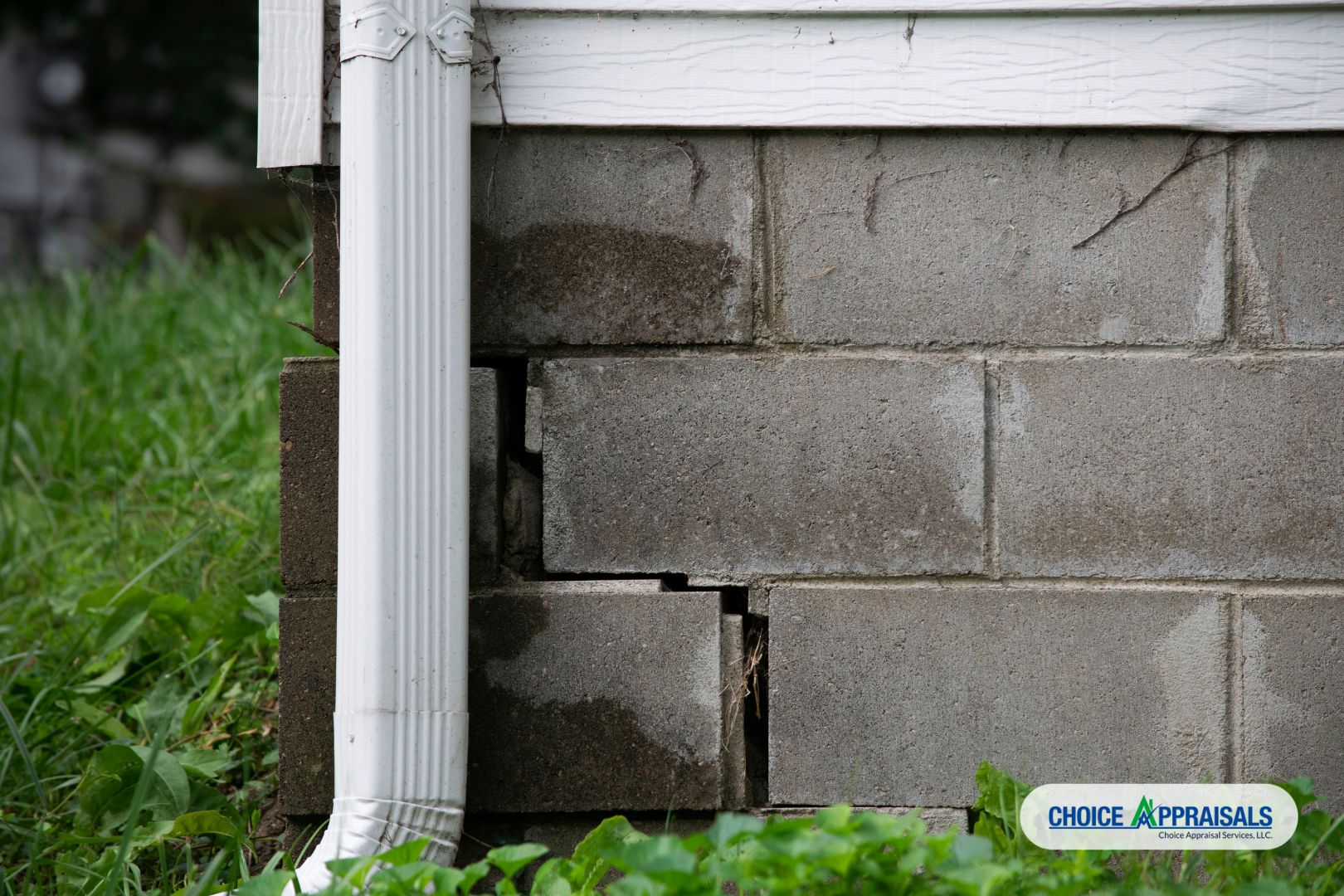
You’ve done everything you can think of to get your home ready to sell. Fresh paint on the walls, new fixtures in the bathroom, even a few strategic landscaping improvements to enhance curb appeal.
But when the appraiser arrives, they point out several issues that you hadn’t even considered. Suddenly, your home’s market value takes a hit. This is the power of “appraisal red flags.”
So, what exactly are these red flags? In the simplest terms, appraisal red flags are issues or conditions that can negatively impact the value of your home in the eyes of an appraiser. These can range from obvious physical problems, like a cracked foundation or outdated systems, to more subtle issues, like unpermitted renovations or even factors outside your home, like the gas station next door..
Now, you might be wondering: why should I care about these red flags? Well, in the world of real estate, knowledge is power. Being aware of potential appraisal red flags can help you anticipate issues before they become a problem, allowing you to address them proactively. Whether you’re a homeowner preparing for an appraisal or a buyer trying to understand the value of a potential investment, understanding these red flags can be a game-changer.
Think of it this way: each red flag is a conversation between you and the appraiser. They’re saying, “Hey, this could be a problem,” and you have the opportunity to respond, either by fixing the issue or by adjusting your expectations about your home’s value. So, let’s dive into these conversations and learn how to navigate them effectively.
Top 5 Appraisal Red Flags

Let’s dive into the nitty-gritty, shall we? Here are the top five red flags appraisers are on the lookout for when they swing by your property.
First up, Structural Issues. Think of your home as a human body, the structure is the skeleton that holds everything together. If there are cracks in the foundation or the roof looks like it’s seen better days, it’s like a broken bone or a bad back. It’s a serious problem. These types of issues can significantly knock down your home’s value because they’re costly to repair and can lead to other problems down the line. The key here is that if its observable to the appraiser that it’s something that he will likely notate in his or her report.
Next, we have Outdated Systems. If your home’s electrical, plumbing, or HVAC systems are older than the cast of Friends, you’ve got a problem. Appraisers know that outdated systems can be a ticking time bomb of expensive repairs. Plus, they’re not as efficient or safe as their modern counterparts. The appraiser is not a home inspector, but its easy to see corrosion on pipes, exposed electrical wires or leaking water heaters.
Thirdly, Poor Maintenance. You know that peeling paint you’ve been meaning to address or that leaky roof you’ve been ignoring? Yeah, appraisers notice that too. Signs of neglect like these are red flags because they suggest there might be other, potentially more serious issues lurking beneath the surface.
The fourth red flag is Unpermitted Additions. That DIY sunroom might seem like a selling point to you, but if it was done without the proper permits, it could be a liability. Unpermitted additions can lead to serious legal and safety issues, and appraisers may mention them in his report.
Finally, Neighborhood Factors. You might have the nicest house on the block, but if your block happens to be right next to a noisy highway, it’s going to hurt your appraisal. Appraisers take into account the market’s reaction to such influences when determining a home’s value.
In essence, appraisers are like home detectives, looking for clues that tell the true story of a property’s value. These five red flags are key indicators they use in their investigation. So, if you’re preparing for an appraisal, it’s wise to address these issues head-on. Don’t try to hide them or hope they’ll go unnoticed. Trust me, they won’t.
Tips to Avoid Appraisal Red Flags

So, you’ve got a good handle on what appraisers are on the lookout for – those pesky red flags that could potentially lower your home’s value. But what can you do about it? How can you make sure your home passes the appraisal with flying colors? Don’t worry, I’ve got your back. Let’s roll up our sleeves and dive into some practical tips that can help you sidestep these common appraisal pitfalls.
Firstly, take a good, hard look at your home. And I mean really look. Put yourself in the shoes of an appraiser. Are there any glaring issues that jump out at you? Cracked walls? Peeling paint? Outdated electrical systems? These are all things you’ll want to address before the appraiser’s visit.
Next, get your hands on a home inspection checklist. This can be a real lifesaver. It’ll guide you through each part of your home, helping you identify and fix potential red flags. And trust me, it’s a lot easier to fix these issues before the appraiser points them out.
Now, let’s talk about those unpermitted additions. You know, that fancy new deck you built last summer? If you didn’t get the proper permits for it, it could be a real thorn in your side during the appraisal. So, make sure you’ve got all your paperwork in order. If you’re missing any permits, now’s the time to get them.
Finally, remember that factors outside your home can also impact your appraisal. You might not be able to control the noise from the nearby highway, but you can make your home more appealing in other ways. A well-maintained garden, a new coat of paint, or even some attractive outdoor lighting can all help to boost your home’s curb appeal.
As Tom Horn, a seasoned appraiser from the Birmingham Appraisal Blog, wisely points out, “The best defense is a good offense.” By taking a proactive approach and addressing potential red flags before the appraisal, you’ll be in a much stronger position. So, don’t wait for the appraiser to knock on your door. Get ahead of the game and make sure your home is in tip-top shape.
Conclusion
So, there you have it, folks. We’ve taken a journey down the less-traveled road of home appraisal, shedding light on the elusive ‘red flags’ that can potentially play spoilsport in your home’s valuation game. Structural issues, outdated systems, poor maintenance, unpermitted additions, and neighborhood factors – they all play a pivotal role in determining the value of your home in the eyes of an appraiser.
Now, you might be thinking, “This all sounds pretty daunting, doesn’t it?” But here’s the kicker – it doesn’t have to be. As a homeowner, you hold the power to ensure a successful appraisal. It’s all about staying proactive, keeping your home in good shape, and addressing potential issues before they escalate into full-blown red flags. Remember, a well-maintained home is not just a pleasure to live in; it’s also a goldmine when it comes to appraisal.
So, go ahead. Take a good look around your home. Is there a crack in the foundation you’ve been ignoring? An outdated electrical system that’s due for an upgrade? Or maybe an unpermitted addition that needs to be legitimized? Tackle these issues head-on, and you’ll be well on your way to acing that appraisal.
In the end, it’s not just about getting a good appraisal. It’s about maintaining your home to the best of your ability, and ensuring it reflects the true value it holds. Because, let’s face it, your home is more than just a property – it’s a reflection of you. And you, my friend, are priceless.
by Conrad Meertins | Dec 2, 2024 | Uncategorized

Getting your property appraised can be a daunting task, especially if you’re unsure about how to prepare for it. But fear not! This guide is here to help you get your home ready for the most accurate valuation possible.
Introduction
So, you’re about to dive into the world of home appraisals. It might feel like uncharted territory, like setting foot on the moon without an astronaut’s guide. But here’s the thing: you’re not alone in this journey. I’m here to navigate you through the twists and turns, the ups and downs, and the ins and outs of home appraisals. But first, let’s get our bearings.
A home appraisal, in its simplest form, is a professional evaluation of your property’s worth. It’s like a health check-up, but for your house. And just like your health, it’s crucial to get an accurate diagnosis. An incorrect appraisal could mean selling your home for less than it’s worth or, conversely, pricing it so high that it languishes on the market.
Now, I know what you’re thinking: “Great, another thing to stress about!” But hold your horses, because this guide is here to ease your worries and help you prepare for an accurate home appraisal. Think of it as your personal playbook, filled with insider tips, practical steps, and sage advice. So, strap in, and let’s get started on this journey to a successful home appraisal.
Understanding the Home Appraisal Process

Imagine you’re a detective. Your mission? To discover the true value of a property. That’s what the home appraisal process is all about. It’s an investigation of sorts, an exploration into the value of your property. Sounds thrilling, right? Let’s dive in.
First off, it’s important to understand that a home appraisal isn’t a one-size-fits-all process. It’s a personalized investigation, tailored to your property. It’s about assessing the unique features and characteristics of your home, from the age and condition of the property to its location and size.
Think about it. Would a vintage, Victorian-style home in a historic district be valued the same as a modern, minimalist apartment in the city center? Probably not. And that’s where the appraisal process comes in. It’s about understanding what makes your property unique and how these factors contribute to its value.
So, how does it work? Well, it starts with a professional appraiser visiting your property. They’ll inspect the home, taking note of its condition, size, design, and any unique features. They’ll also consider the property’s location and how it compares to similar properties in the neighborhood.
But it doesn’t stop there. The appraiser will also take into account market trends and recent sales data of comparable homes in your area. It’s a thorough process, combining both the physical attributes of your home and the larger real estate market context.
So, what’s the takeaway here? A home appraisal is a holistic process, one that considers a wide range of factors to determine the true value of your property. It’s not just about what your home looks like, but also where it’s located, how it compares to similar properties, and how it fits into the broader real estate market.
In the end, understanding the home appraisal process is like having a roadmap. It helps you navigate the journey, giving you a clearer idea of what to expect and how to prepare. So, ready to embark on this appraisal adventure? Let’s move on to some top tips to help you prepare.
Top Home Appraisal Tips

Picture this: you’re about to invite a professional appraiser into your home, and you’re hoping for the highest valuation possible. What can you do to tip the scales in your favor? Here are some insider tips to help you prepare for a home appraisal that reflects the true value of your property.
- Understand the Market: The value of your home is largely determined by the current real estate market conditions in your area. So, do your homework. Look at the recent sales prices of similar homes in your neighborhood. Having a sense of the market can help you set realistic expectations for your own home’s value.
- Highlight the Positives: Every home has its unique features. Maybe it’s a recently renovated kitchen, a large backyard, or a convenient location. Make sure these highlights are not overlooked. Point them out to the appraiser and explain why they add value to your home.
- Don’t Forget About the Small Improvements: While major renovations certainly increase a home’s value, don’t underestimate the power of small improvements. A fresh coat of paint, new hardware on cabinets, or updated lighting fixtures can make a big difference in the overall appeal of your home.
- Keep Up with Regular Maintenance: A well-maintained home is a valuable home. Regular maintenance tasks like cleaning gutters, servicing HVAC systems, and repairing leaky faucets show that you take good care of your property. This can positively influence an appraiser’s assessment of your home’s condition.
- Be Present During the Appraisal: It’s important to be home during the appraisal. You can answer any questions the appraiser might have and provide additional information about your home’s features and improvements. Plus, it gives you a chance to showcase your home in the best light.
Remember, an appraisal isn’t just about tallying up square footage and counting bathrooms. It’s about assessing the overall quality, condition, and appeal of a home. By understanding the process and taking these steps, you can help ensure your home is appraised at its true worth.
Practical Steps to Prepare for Home Appraisal

Before we dive into the meat of this section, let’s take a moment to imagine a scenario. Picture this: You’re about to host a dinner party for some very important guests. You’d naturally want your home to look its best, right? You’d clean, declutter, and maybe even do some minor repairs. Preparing for a home appraisal isn’t much different.
First things first, clean and declutter. Just like your dinner guests, appraisers are people too. And let’s be honest, no one likes to navigate through a maze of mess. A clean, organized home can make a positive impression.
Next, repair and maintain. Remember that leaky faucet you’ve been meaning to fix? Now’s the time. Appraisers look for signs of neglect or damage that could affect the home’s value. Addressing these issues beforehand can save you from potential valuation dings. It’s not just about major repairs either. As mentioned earlier, regular maintenance like servicing your HVAC system or cleaning your gutters can also make a difference.
Finally, document improvements. Have you renovated the kitchen or installed a new roof? Keep a record of these improvements. Appraisers aren’t just looking at your home’s current condition, they’re also interested in its history. Providing documentation of renovations and upgrades can help justify a higher valuation.
These practical steps aren’t just about impressing the appraiser. They’re about presenting your home in the best light possible. It’s about showing respect for your property and its value. So, don’t think of it as a chore. Consider it an opportunity to showcase your home’s true potential.
Common Mistakes to Avoid During Home Appraisal

When it comes to the home appraisal process, even the most well-intentioned homeowners can unwittingly sabotage their own efforts. Here are some common missteps you’ll want to sidestep for a smooth and successful appraisal:
- Ignoring Minor Repairs: I know I might sound like a broken record here, but small issues like leaky faucets, cracked windows, or chipped paint may seem inconsequential, if multiplied by 10, can suggest to an appraiser that the home hasn’t been well-maintained. Make these repairs before the appraiser visits to ensure your home is seen in the best light.
- Overestimating the Value of Renovations: Not all home improvements are created equal. While you may value your custom-made wine cellar, an appraiser might not see it as a significant value-add. Be realistic about the financial return of your renovations.
- Failing to Document Improvements: If you’ve made significant upgrades to your home, like a new roof or HVAC system, make sure you have the documentation to prove it. Without this, the appraiser might overlook these improvements.
- Being Absent During the Appraisal: While you don’t need to hover, being present allows you to answer any questions the appraiser might have. Plus, it gives you a chance to highlight the features you love about your home.
Avoiding these common mistakes can go a long way towards ensuring your home is appraised accurately. Remember, preparation is key. By understanding the appraisal process and taking the time to properly prepare, you’ll be setting your home – and yourself – up for success.
Utilizing Resources for a Successful Home Appraisal

So, you’ve done the hard yards. You’ve decluttered, fixed the wonky step, and even spruced up the garden. But, are you really ready for that home appraisal? There’s one more step that can help you ensure you’re not leaving any stone unturned – utilizing resources.
Imagine you’re about to bake a cake for the first time. You have all the ingredients, but do you just toss them into a bowl and hope for the best? Probably not. You’d likely follow a recipe, right? Think of resources like your recipe for a successful home appraisal.
One such resource is a home appraisal preparation checklist. Comprehensive checklists can guide you through the preparation process. They help you track your progress, ensure you’re covering all bases, and give you a sense of confidence that you’re on the right path. If you’d like to grab mine, visit the link below. I know what appraisers look for and what homeowners often overlook. By using these resources, you’re essentially getting insider tips on how to make your home shine in the eyes of an appraiser.
And it’s not just about getting a higher valuation. An accurate appraisal can save you from overpricing or underpricing your property, both of which can lead to financial losses or missed opportunities.
So, don’t just wing it. Use the resources available to you. They’re like your secret weapon for a successful, accurate home appraisal. After all, when it comes to something as important as your home’s value, wouldn’t you want to be as prepared as possible?
Conclusion
As I wrap up our guide, let’s revisit the key steps to ensure your property is well-prepared for an accurate home appraisal. It’s more than just a casual stroll through your property. It’s about presenting your home in its best light, making sure it’s clean, decluttered, and well-maintained. It’s about keeping a detailed record of all improvements and renovations.
Remember, it’s not about tricking the appraiser with superficial enhancements, but genuinely showcasing the value your property holds. Like a proud parent at a school open day, you want to highlight your home’s best features, but not hide its quirks. Every home has them, and they’re part of what makes your property unique.
Taking the time to prepare your property properly is not just about getting a higher appraisal value. It’s about understanding the true value of your home and being able to present it confidently. It’s about being an informed homeowner who knows their property inside out.
The benefits of an accurate property valuation extend beyond the appraisal day. It helps in setting a fair selling price, securing a mortgage, or even for insurance purposes. It’s a critical step in your homeownership journey, and we hope this guide has made the process a little less daunting.
Don’t forget to utilize resources like the home appraisal preparation checklist from our website. These tools are designed to guide you through the process and ensure nothing slips through the cracks.
In the end, the goal is to make the home appraisal process as smooth and successful as possible. And remember, preparation is the key to success. So take a deep breath, roll up your sleeves, and let’s get your property ready for its big day. You’ve got this!
by Conrad Meertins | Nov 11, 2024 | Valuation

Here is a shocking truth – When it comes to appraising a property, not all homes are created equal.
This article aims to shed light on the specific factors that differ when appraising a condo versus a single-family home, and why it’s crucial for real estate agents, buyers, and sellers to understand these nuances.
How the Type of Property Affects the Appraisal Process and Final Valuation
On the surface, the difference between a condo and a single-family home might seem like a matter of maintenance. However, from an appraisal standpoint, various factors affect the process and final valuation. Let’s delve into what goes into appraising each type of property.
What Goes Into Appraising a Single-Family Home?

The general process for a single-family home appraisal includes collecting property data, such as land, square footage, home condition, and improvements. Then comes the all-important market analysis and comparable sales analysis.
These factors help the appraiser to have a comprehensive view of the property’s worth, setting the stage for its market value.
What Goes Into Appraising a Condo?

In contrast, condo appraisals focus on different aspects. Here, property data collection includes common areas and amenities, Homeowners Association (HOA) fees, the percentage of owner-occupied units, and information about the subject project. Comparable sales within the same building or complex are always preferred if possible.
For instance, I once appraised a stand-alone condo that looked like a single-family home with land. However, the owner only owned the interior of the unit, not the land, making comps from typical single-family homes not suitable. Understanding these subtleties is vital for an accurate appraisal.
Key Differences Between Condo and Single-Family Home Appraisals

Ownership Elements: Single-family homes include land, while condos focus on common areas.
Comparative Sales: Condos require comps from other condo units (in the same building or complex whenever possible)
Appreciation Rate: Condos typically appreciate at a slower rate compared to single-family homes.
How Realtors Can Help

Real estate agents play a pivotal role in guiding their clients through the appraisal process. It’s not uncommon for people to look at the percentage increase in home values and assume their condo is appreciating at the same rate.
However, this is usually not the case. Moreover, choosing an appraiser experienced with the specific type of property is crucial for an accurate valuation.
The Importance of Expertise in Appraisals

Expertise comes into play when gathering information about a condo project. An unaware appraiser may state that certain info is unavailable, but an expert knows where to look.
For example, the county clerk’s office can provide a wealth of information about the condo project, from the legal description to the number of units in the project. Mastery of this small learning curve can make a significant difference in the appraisal process.
In summary, understanding the nuances between condo and single-family home appraisals can make all the difference in a successful real estate transaction. Choose your appraiser wisely and arm yourself with the right information for a seamless appraisal experience.
Contact us today for a free consultation and learn how our appraisal services can help you achieve your real estate goals.
by Conrad Meertins | Nov 6, 2024 | Uncategorized

Could skipping an appraisal save you money—or cost you thousands? In a bid to boost home affordability, Fannie Mae and Freddie Mac recently announced expansions to their appraisal waiver programs, starting in the first quarter of 2025.
This move could allow more buyers to bypass traditional appraisals, potentially saving hundreds in upfront costs and speeding up the closing process. Designed to assist first-time and low- to moderate-income buyers, this initiative has already saved borrowers over $2.5 billion since 2020, according to Fannie Mae.
But while the program may offer an easier path to homeownership, it raises critical questions for buyers. Can bypassing a full appraisal expose you to risks that could hurt your financial future?
What is the Announcement?

Fannie Mae and Freddie Mac, the government-sponsored enterprises backing most U.S. mortgages, are expanding the eligibility for appraisal waivers. These waivers, designed to reduce costs and simplify the process, allow certain buyers to purchase homes without a traditional appraisal. Here’s a quick breakdown of the options:
Value Acceptance (formerly appraisal waivers): Uses data modeling to confirm the property’s value and sale price.
Value Acceptance + Property Data: Involves a trained professional collecting data on the property’s interior and exterior.
Automated Collateral Evaluation (ACE): Freddie Mac’s program that uses proprietary models and public records to assess property values.
ACE + Property Data Report (PDR): Combines Freddie Mac’s models with on-site property data collection.
With these changes, loan-to-value (LTV) ratios for waiver eligibility are also increasing, allowing up to 90% LTV for standard waivers and up to 97% for inspection-based waivers. For many buyers, this expanded access means greater flexibility and faster closings.
What Should Buyers Know?

While appraisal waivers can offer benefits, it’s essential to consider the risks. Here are a few crucial points:
Overpaying: Without an independent appraisal, there’s a risk you might pay more than the property’s true market value. Lender models might miss local nuances, causing buyers to unknowingly overpay.
Limited Negotiation: If the lender’s valuation is higher than expected, it might restrict your ability to negotiate a lower price, limiting any wiggle room with the seller.
Missed Issues: An algorithm can’t catch everything. Unlike a traditional appraiser who can inspect the property firsthand, automated data models may overlook physical issues like a weakened foundation or faulty wiring, which could lead to expensive repairs down the line.
Imagine buying a home with an inflated valuation, only to discover costly issues that a standard appraisal might have caught. Waiving an appraisal could mean shouldering unexpected financial strain, especially if you need to sell during a downturn.
It’s important to remember that in 2023, over 31% of American households were already spending more than 30% of their income on housing. Adding hidden property issues could increase that burden even further.
What’s Missing from the Announcement?

While Fannie Mae and Freddie Mac promote the benefits of waivers, here are some points they didn’t mention that buyers should consider:
Conflicts of Interest: Lenders have a vested interest in closing deals quickly and efficiently, which may lead them to prioritize speed over thorough property assessment.
Buyer Responsibility: It’s ultimately on the buyer to ensure they’re paying a fair price. Relying solely on lender valuations can create a “blind spot” in the homebuying process, as lenders focus primarily on their own financial risks.
With rapid price fluctuations—the Federal Housing Finance Agency’s House Price Index increased by over 57% from July 2019 to July 2024—it’s clear that a reliable property valuation is more crucial than ever. Proceeding without a traditional appraisal could leave buyers unprepared to navigate these changes.
How Can Buyers Protect Their Interests?

Navigating the appraisal waiver landscape can be challenging, but here are a few key ways buyers can safeguard their investments and make informed decisions:
Consider a Professional Appraisal: An independent appraisal offers an objective, expert valuation that goes beyond automated estimates. Appraisers are trained to assess property nuances and current market conditions, offering peace of mind and protecting buyers from potential pitfalls. This small investment can provide clarity and confidence, ensuring you’re on solid ground with your purchase.
Rely on Local Market Knowledge: Understanding a property’s true market value requires in-depth knowledge of local trends, comparable sales, and potential red flags. Appraisers specialize in this level of detailed market research, bringing a wealth of data to support fair and accurate valuations—especially valuable in a fluctuating market.
Seek Guidance from Experienced Professionals: Appraisers, along with real estate experts, are invaluable allies in the buying process. Leveraging their expertise ensures you have a clear view of the property’s value, equipping you to make decisions with lasting impact.
Conclusion
Appraisal waivers may offer convenience and cost savings, but it’s essential to consider the potential risks carefully. Overpaying, overlooking property issues, or facing an uncertain market could lead to costly setbacks.
A professional appraisal can provide the clarity and assurance buyers need to make informed, confident decisions. The path to homeownership might feel streamlined, but relying on expert guidance and a trusted valuation can help ensure it’s also a secure one.
Want to make confident, informed decisions on your homebuying journey? Visit our blog for expert insights on how a professional appraisal can protect your investment. Whether you’re navigating waivers or just starting, our articles are here to guide you every step of the way
by Conrad Meertins | Sep 30, 2024 | Uncategorized

Are you considering buying or selling a home in Louisville’s MLS Area 6, which includes Buechel, Highview, Okolona, and Fern Creek? Understanding current market trends is crucial for making informed decisions. Let’s dive into how these neighborhoods are faring in today’s real estate landscape.
Current Market Snapshot (as of September 28, 2024)
- Active Listings: 242
- Median Listing Price: $315,900
- Average Days on Market: 56 days
- Median Days on Market: 34 days
These numbers tell an interesting story. With homes staying on the market for nearly two months, buyers may find more room for negotiation, especially on properties listed for 50+ days. Sellers should note that pricing strategy is key in this market.
Price Trends: A Tale of Two Markets

- Median Listing Price (Active): $315,900
- Median Sales Price (Sold): $250,000
- Average Days on Market (Sold): 28 days
- Median Days on Market (Sold): 7 days
The significant gap between listing and selling prices suggests that while sellers are optimistic, buyers are more cautious. However, homes priced right are still moving quickly, often in less than a two weeks.
Supply & Demand: A Clearer Picture

- Current Active Listings: 242 (as of September 28, 2024)
- Total Sold Properties: 2,402 (from January 1, 2023 to September 28, 2024)
Let’s break this down:
- The 242 active listings represent what’s available right now in Buechel, Highview, Okolona, and Fern Creek.
- 2,402 properties sold over the past 21 months, averaging about 114 sales per month.
This suggests strong ongoing demand in Area 6, with current inventory limited compared to the consistent sales rate. It’s a market that favors sellers, but buyers who act decisively on well-priced homes can still find opportunities.
Property Characteristics

| |
Active Listings
|
Sold Properites
|
| Average Size |
1722 sq ft |
1525 sq ft |
Homes currently on the market tend to be larger and relatively newer. This could explain the higher listing prices and longer selling times, as these properties may be at the upper end of the local market.
What This Means for You
For Buyers:
- Be prepared for competition, especially for well-priced homes.
- Don’t hesitate to negotiate, particularly on homes that have been listed for a while.
- Consider the long-term value of larger, newer homes currently available.
For Sellers:
- Pricing is critical. Homes priced right are still selling quickly.
- Be prepared for negotiations, especially if your home has been listed for over 50 days.
- Highlight features that make your property stand out, such as size or recent updates.
Neighborhood Spotlight

Buechel, Highview, Okolona, and Fern Creek each offer unique attractions:
- Buechel: Known for its diverse community and proximity to Bardstown Road.
- Highview: Offers a suburban feel with easy access to downtown Louisville.
- Okolona: Popular for its parks and family-friendly atmosphere.
- Fern Creek: Balances rural charm with modern conveniences.
These varied neighborhoods contribute to the diverse housing options in Area 6, catering to a wide range of preferences and budgets.
Looking Ahead
The real estate market in MLS Area 6 reflects a balance between opportunity and challenge. While inventory is limited compared to recent sales volume, the longer days on market for current listings suggest a shift towards a more balanced market.
For both buyers and sellers, understanding these local trends is key to making informed decisions. Whether you’re looking to buy your first home, upgrade to a larger property, or sell your current house, the diverse neighborhoods of Area 6 offer something for everyone.
Interested in a more personalized analysis of your specific situation in Buechel, Highview, Okolona, or Fern Creek? Don’t hesitate to reach out. We’re here to help you navigate this dynamic market with confidence.
by Conrad Meertins | Sep 2, 2024 | Valuation

In our fast-paced world, everyone craves value—and we want it instantly. But when it comes to your home’s value, quick fixes aren’t always the best solution.
I’ve previously discussed the pros and cons of online calculators, but today, let’s explore three critical reasons why DIY valuations can be risky:
- Failing to Identify the Underlying Problem
- Lack of Access to Comprehensive Data
- Insufficient Analytical Skills and Tools
These three pitfalls are interconnected—missing the underlying problem leads to misinterpreting the data, which then compounds the errors in your valuation. Let’s delve into each of these in more detail.
1. Missing the Underlying Problem

This might sound surprising, but every house has a “problem” that impacts its value—even brand new ones. By “problem,” I’m referring to a valuation question that must be uncovered to determine the true worth of the property.
For instance, I was once asked to appraise a new construction home in a mature neighborhood where no new homes had been built within a half-mile radius for three years. The key question—or problem—was, “How does the lack of recent new construction sales in the area affect this home’s value?”
Identifying the underlying problem is crucial because it shapes the entire valuation approach. Questions like, “When was the last new construction sale in this area?” or “Are there similar new constructions nearby?” become central.
Without pinpointing the problem, a DIY valuation will likely miss the mark, leading to a flawed estimate.
2. Lack of Access to Comprehensive Data

Where do most people turn for home sale data? Sites like Zillow are common, but they often provide incomplete information.
Realtors have access to gold mines like the Multiple Listing Service (MLS) and Property Valuation Administrator (PVA) websites, which offer more extensive data, especially for unique properties like new constructions.
However, simply accessing data isn’t enough; knowing how to extract and interpret it is key. Early in my career, I made the mistake many DIYers make today—relying on a few neighborhood sales to determine value.
But it’s vital to understand the highs and lows of the market area before drawing conclusions. A DIY valuation might overestimate a property’s value, missing critical market trends that indicate the area can only support 80% of the DIY estimated price.
3. Insufficient Analytical Skills and Tools

Data analysis is where many DIY valuations fall short. Imagine trying to assess a neighborhood with 200 recent sales—how do you determine which ones are relevant? Should some sales be excluded? What are the quarterly price trends?
These questions may significantly influence the final value and answering them requires more than just raw data—it requires the right tools and expertise.
Online resources might offer broad figures, like the median sales price for homes in Louisville, but Louisville has over 100 neighborhoods, each with its own unique market. Without the ability to analyze data specific to your home’s market area, a DIY valuation is bound to be inaccurate.
Wrap-up
In summary, DIY home valuations often fall short because they miss critical steps that professional appraisers never overlook. First, they fail to identify the underlying problem that drives the property’s true value. Without pinpointing this, the entire valuation process is compromised from the start.
Second, they lack access to comprehensive data that realtors and appraisers use to make informed decisions.
Lastly, even when data is available, DIYers often don’t have the tools or expertise needed to analyze it properly, leading to inaccurate and potentially costly errors.
As an appraiser, I approach each property with a well-honed process that starts with identifying the key valuation question, gathering and analyzing data from multiple trusted sources, and using advanced tools to ensure every factor is considered.
My 20+ years of experience, coupled with continuous learning and adaptation, allows me to deliver precise, reliable valuations that help you make informed decisions and maximize your property’s value.
If you’re serious about understanding your property’s true worth and making the most informed decisions possible, skip the DIY route. Let me provide you with a comprehensive appraisal that gives you the confidence to move forward without leaving money on the table.
Ready to get started? Contact me today to schedule a professional appraisal and ensure you’re making the best decisions for your property. Your home is one of your most significant investments—let’s make sure you treat it as such.
by Conrad Meertins | Aug 12, 2024 | Valuation

We all obsess over condition—whether it’s the state of our bodies, our cars, or our homes. But when it comes to our homes, does obsession really matter? Sometimes, we get so fixated on the imperfections that we forget the bigger picture, especially when the market conditions take the driver’s seat.
Today, I want to share some observations on how a home’s condition influences its ability to sell, particularly in different market scenarios. By the end, you’ll see how I, as an appraiser, account for condition when preparing reports.
Condition in a Seller’s Market

In a seller’s market, where inventory is low and demand is high, condition still matters, but it’s not always the deal-breaker you might think. Buyers are often so eager to secure a home that they’re willing to overlook flaws and even pay a premium for properties that wouldn’t ordinarily justify such prices.
Why? It all comes down to competition. Think of an auction—when everyone wants the same item, the bidding war pushes prices up, even if the item isn’t perfect. Similarly, in a hot market, buyers are more likely to bid on a home, even if it’s not in pristine condition.
This is where knowing the market environment becomes crucial. If you’re a seller, having a trusted appraiser or realtor who understands the market dynamics can give you a significant edge.
Pro Tip for Realtors: While the market may allow for higher asking prices, be careful not to overestimate. The appraiser still needs to justify the price based on comparable sales, so ensure there are similar homes in the area that have sold for similar prices despite their condition.
Condition in a Buyer’s Market
Now, let’s flip the script. In a buyer’s market—high inventory, low demand—buyers can afford to be picky. This is when condition becomes a critical factor in a home’s saleability. Just to clarify, we’re not in a buyer’s market right now, so don’t get too excited. But if we were, the scenario would be quite different.
Imagine walking into a burger joint where a cheeseburger and a sirloin steak are the same price. Which would you choose? Most would opt for the steak, of course!
In this analogy, the steak represents a home in great condition, while the cheeseburger is a home that needs some work. Both are listed at similar prices, but with no competition, buyers will naturally gravitate toward the better option.
For Sellers: In such a market, if your home is in less-than-perfect condition, be prepared to adjust your asking price to make it more appealing. Remember, when buyers have options, they’re likely to go with the one that offers the best value.
Accounting for Condition in an Appraisal Report
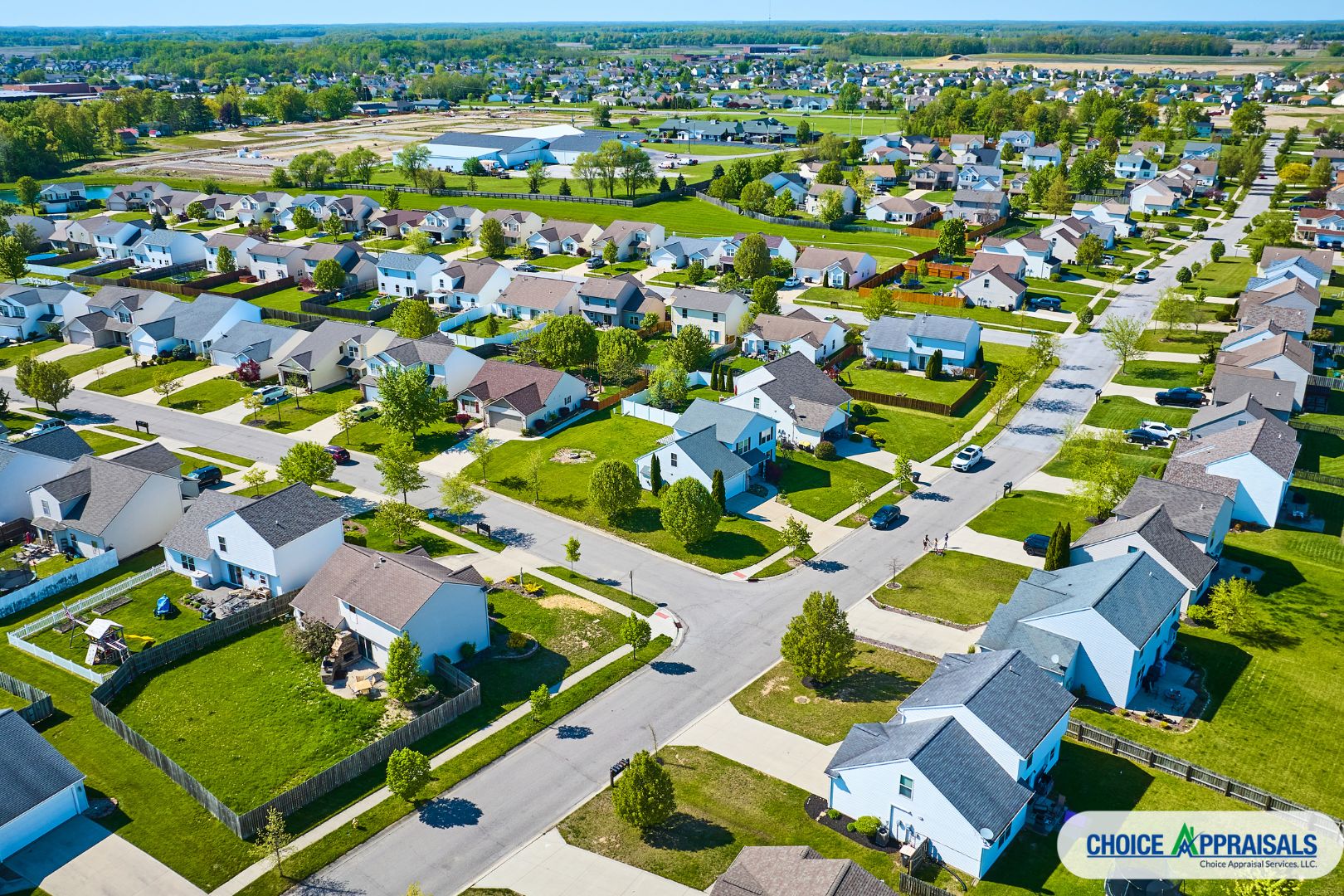
So, how do I, as an appraiser, adjust for condition? Let me walk you through one of my methods. When appraising a property, I start by defining criteria that help me find comparable homes on the market.
For instance, if I’m appraising a 1,000-square-foot, 3-bedroom, 1-bathroom ranch-style home, I’ll look for similar homes that sold within the past year, within a mile of the subject property.
In a densely populated area, this approach should yield around 30 comparable homes. Next, I analyze their condition via the local MLS, assigning each a condition rating (Fair, Average, Avg/Good, Good). Once I have this data, I create a pivot table that gives me the median sale price for each condition category.
Here’s an example of what the data might look like:
|
Condition
|
Median Sale Price
|
| Fair |
$160,000 |
| Average |
$190,000 |
| Avg/Good |
$210,000 |
| Good |
$250,000 |
This table tells me that in this market, buyers are willing to pay $20,000 more for a home in Avg/Good condition compared to one in Average condition, and $60,000 more for a home in Good condition. This is a defensible, market-driven approach to account for condition when setting a list price or producing an appraisal report.
Conclusion
As you can see, condition is important, but the type of market you’re in dictates how important it is. In a seller’s market, it’s less of a factor; in a buyer’s market, it’s crucial. By analyzing similar homes, you can quantify just how much more (or less) someone might pay based on condition.
The bigger the sample size, the more reliable the analysis. I aim to gather at least 30 homes to ensure that my clients receive market-based evidence on how condition affects sales price.
So, the next time you think about a home’s condition, consider the market first. Act with knowledge, consult with a trusted appraiser, and set your price accordingly—don’t let condition become an obstacle to selling your home.
by Conrad Meertins | Aug 6, 2024 | Valuation

In the fast-paced (sometimes slow-paced) world of real estate, determining your property’s value is crucial to making informed decisions. Whether you’re selling, buying, or refinancing, understanding your property’s worth can significantly impact your financial outcomes.
This leads to the question: should you rely on a Comparative Market Analysis (CMA) or a Pre-listing Appraisal Report?
Both CMAs and pre-listing appraisals offer valuable insights into property valuation, yet they serve distinct purposes and rely on different methodologies.
This post will examine the key differences between these two approaches, highlighting their unique strengths and offering guidance on when to use each tool effectively.
By the end of this read, you’ll be equipped with the knowledge to choose the best option for your real estate needs, ensuring a strategic approach to your property’s valuation.
Understanding Comparative Market Analysis (CMA)

In the world of real estate, a Comparative Market Analysis (CMA) is a vital tool for both buyers and sellers. It offers a snapshot of the local market, allowing homeowners to gauge the potential selling price of their property. But what exactly is a CMA, and how does it work?
Definition
According to Investopedia, “A comparative market analysis (CMA) estimates a home’s price based on recently sold, similar properties in the immediate area.”
Real estate agents and brokers generate CMA reports to assist sellers in setting competitive listing prices and to help buyers make informed offers. These reports rely on data from homes similar to the subject to paint a picture of the current market conditions.
Key Features
CMAs primarily focus on selecting homes comparable to the subject property. Real estate agents utilize a mix of recent sales, active listings, and expired listings to establish a competitive price range.
This analysis is rooted in real-time market data, reflecting the dynamic nature of real estate. By examining similar properties in terms of size, location, condition, and features, agents can craft a well-rounded estimate of the property’s market value.
Key Elements of a CMA:
-
- Recent Sales: Provides a baseline of what buyers are willing to pay for similar properties.
-
- Active Listings: Shows the current competition and helps position the property strategically.
-
- Expired Listings: Offers insights into price points that didn’t attract buyers, aiding in avoiding overpricing pitfalls.
Strengths
CMAs are particularly valued for their quick and cost-effective nature. They allow real estate agents to set initial listing prices efficiently, which can be crucial in fast-moving markets.
The strengths of CMAs lie in their ability to attract potential buyers by offering a competitive price right from the start. By making informed pricing decisions based on data and trends, agents can enhance the appeal of the property to potential buyers.
Ideal Scenarios for CMAs
CMAs shine in scenarios where a homeowner needs a quick assessment of their property’s market position. They are most effective in areas where properties share similarities, allowing for more accurate comparisons.
Additionally, when an agent’s local expertise can be leveraged, a CMA becomes an invaluable tool in crafting a market strategy that resonates with prospective buyers.
When to Use a CMA:
-
- Quick Assessments: Ideal for sellers needing a rapid overview of market conditions and pricing.
-
- Homogeneous Markets: Effective in neighborhoods with similar properties, providing reliable comparative data.
-
- Agent Expertise: Leveraging an agent’s knowledge of the local market nuances can refine CMA results.
Example Scenario
Imagine a homeowner in a suburban neighborhood with many similar three-bedroom houses. They decide to sell their home and need to determine a competitive asking price.
A CMA allows their real estate agent to quickly analyze recent sales and active listings in the area, providing the homeowner with a realistic price range to attract buyers. This swift analysis ensures the property is neither underpriced nor overpriced, maximizing the chance for a successful sale.
Exploring Pre-listing Appraisal Reports

While Comparative Market Analyses (CMAs) provide a quick snapshot of the real estate landscape, pre-listing appraisals offer a more detailed and structured valuation. For homeowners seeking precision, especially in complex scenarios, understanding the benefits of a pre-listing appraisal is crucial.
Definition
A pre-listing appraisal is a comprehensive valuation conducted by a licensed appraiser, designed to provide an in-depth analysis of a property’s market value before it hits the market.
Unlike CMAs, which are typically performed by real estate agents, appraisals are carried out by licensed professionals who adhere to rigorous standards of USPAP (Uniform Standards of Professional Appraisal Practice) to assess a property’s worth accurately.
Key Features
Market Analysis
Appraisal reports delve deeply into the subject’s market, evaluating trends such as increasing, stable, or declining sold home rates.
Each appraisal report includes a thorough market analysis, offering a broader perspective that accounts for economic factors, local developments, and other market influences. This comprehensive approach ensures that the property’s valuation is well-grounded in the current market context.
Adjustments
Appraisers conduct meticulous analyses to adjust for differences between the subject property and comparable sales. This involves accounting for unique features, such as extra square footage, high-end finishes, or custom-built amenities, providing a more precise valuation.
Adjustments are made to ensure the subject property is accurately compared to others, considering all aspects that may affect its value. It should be noted that appraisal reports are required to have support for how all of its adjustments were derived.
Comparable Selection Criteria
Unlike CMAs, appraisal reports are bound by stringent requirements. Financial institutions often require appraisers to “bracket” the subject’s features, ensuring a balanced and accurate comparison.
This process involves selecting comparables that have slightly more or less desirable features than the subject, thereby offering a more reliable valuation metric (this is only done when the feature in question cannot be matched exactly by a comparable sale).
This bracketing technique helps demonstrate the acceptability of certain features within the market, reinforcing the appraiser’s conclusions. For example, if the subject has a 5 car garages. If a comparable cannot be found with a 5 car garage, at least one with less than five cars and one with more than 5 cars would be included.
Strengths
Pre-listing appraisals are known for their precision and credibility. They provide a detailed property value assessment that can be crucial in setting a realistic list price, especially in unique markets or for high-value properties.
The strengths of pre-listing appraisals lie in their ability to deliver objective, third-party evaluations that homeowners and buyers can trust.
Ideal Scenarios for Pre-listing Appraisals
Pre-listing appraisals shine in scenarios requiring accuracy and detail beyond what a CMA can provide. They are ideal for:
-
- Complex Properties: When a homeowner needs an accurate valuation for properties with intricate designs or multiple unique features.
-
- Unique Features: For properties with distinctive attributes where precise valuation is critical to avoid mispricing.
-
- Objective Assessments: In cases where an unbiased third-party evaluation aids in negotiation or helps prevent disputes during sales transactions.
Example Scenario
Consider a homeowner with a custom-built estate featuring specialized architecture, high-end materials, and unique exterior amenities – let’s say a tennis court. For such a property, a pre-listing appraisal is invaluable.
It accounts for all these distinct elements, providing a precise valuation that reflects its true market value. This detailed assessment not only assists in setting the right price but also supports negotiations, ensuring the seller maximizes their property’s worth.
Having explored the intricacies of pre-listing appraisals and their critical role in accurately valuing complex properties, it becomes evident that both CMAs and appraisals offer unique advantages depending on the situation.
In the next section, we’ll conduct a detailed comparison of CMAs and pre-listing appraisals, examining when and why each method should be employed. This comparison will further illuminate the distinct roles these tools play in real estate, helping you make informed decisions tailored to your specific needs.
Detailed Comparison of CMA and Pre-listing Appraisal Report

Choosing between a Comparative Market Analysis (CMA) and a pre-listing appraisal depends on the specific needs of the property owner and the nature of the real estate market.
Both tools provide valuable insights but differ significantly in their approach, depth, and application. This section highlights these differences to help you make informed decisions on when you may use each one.
Market Analysis
Appraisal Reports:
Appraisal reports offer a detailed market analysis that goes beyond the immediate scope of similar homes. They assess broader market trends, evaluate economic indicators, and consider local and regional factors that might influence property values.
This comprehensive analysis provides insights into how a property’s value fits within the larger market context, offering a more holistic view.
CMAs:
CMAs focus primarily on comparable homes, emphasizing recent sales data, active listings, and sometimes expired listings. While this approach effectively provides a snapshot of local market conditions, it may not delve into larger market trends extensively. CMAs rely heavily on the local expertise of real estate agents to interpret this data within the neighborhood context.
Adjustments
Appraisal Reports:
Appraisal reports are renowned for their meticulous adjustments, which account for differences between the subject property and comparable sales.
These adjustments consider factors like additional bathrooms, square footage, architectural features, and more. The process involves detailed analysis and support for how each adjustment was derived, ensuring that every valuation aspect is justified and precise.
CMAs:
In contrast, CMAs often use similar homes with minimal adjustments. The adjustments are generally based on the agent’s expertise and experience rather than extensive researched data.
While effective for initial pricing strategies, this method may lack the precision of an appraisal, especially in cases where unique property features significantly impact value.
Comparable Selection Criteria
Appraisal Reports:
Appraisal reports adhere to specific rules for selecting comparables, including bracketing features. This means choosing comparables that have both fewer and more features than the subject property.
For instance, if the subject property has a three-car garage, appraisers might select one comparable with a two-car garage and another with a four-car garage. This bracketing ensures a balanced comparison and highlights any unique market features, emphasizing that the property’s traits are not anomalies.
CMAs:
CMAs typically focus on recent sales within a specific area or subdivision, sometimes limiting the scope of comparison. While this can be sufficient for standard properties, it may not fully capture the nuances needed for properties with unique features or those located in diverse markets.
When to Use Each
CMA:
-
- Quick Assessments: When a speedy evaluation of the market is needed.
-
- Competitive Pricing: Useful for setting initial list prices in standard neighborhoods in stable markets.
-
- Agent Expertise: Leverages local knowledge and market conditions.
Pre-listing Appraisal:
-
- Precise Valuations: Essential for detailed and accurate property assessments.
-
- Complex Properties: Ideal for unique or high-value properties requiring detailed analysis including market trend analysis.
-
- Objective Analysis: Necessary when an unbiased, third-party evaluation is crucial for negotiations or dispute prevention.
Example Scenario
Imagine a homeowner with a standard single-family home in a suburban neighborhood where there is abundant sales data and many of the homes are similar. In this case, a CMA can quickly establish a competitive price using recent sales data and the agent’s local expertise.
However, consider a property in a historic district with unique architectural elements and custom features. Here, a pre-listing appraisal is invaluable, providing a detailed analysis that accounts for these distinctive characteristics and ensures an accurate valuation.
Summary
Understanding the differences between a Comparative Market Analysis (CMA) and a pre-listing appraisal is essential for anyone navigating the real estate market. CMAs are valuable tools for quick market positioning, offering insights based on comparable home sales that can help set an initial listing price efficiently.
On the other hand, pre-listing appraisals provide precise valuations, especially beneficial for complex or unique properties where detailed analysis is necessary.
Both CMAs and appraisals hold significant value. As a licensed appraiser, I thoroughly respect the CMA process and appreciate when a realtor provides one.
It offers valuable insight into their valuation approach and acts as one piece of the puzzle in the overall appraisal process. Both tools should be respected for their unique strengths and purposes, and both have their rightful place in the real estate industry.
Final Thoughts
While CMAs serve as excellent starting points for setting prices, they are not a substitute for appraisal reports. Appraisers adhere to strict standards like USPAP, delivering a thorough analysis that can be more appropriate for properties with unique features or those located in diverse markets.
Some real estate agents with extensive market experience can provide valuable insights through CMAs, but if your home isn’t a cookie-cutter replica of others in the area, and if the stakes are high, consider hiring an appraiser. This decision can ensure a more precise valuation, offering peace of mind and strategic advantage in negotiations.
And hey, since CMAs are typically free, why not get both? It’s like having a dessert with your meal—just makes everything better!
What to do next…
I encourage readers to carefully evaluate their needs and consult professionals when deciding between a CMA and a pre-listing appraisal. Understanding the nuances of each tool will enable you to make informed decisions and choose the right strategy for your real estate transactions.
Whether you’re selling, buying, or simply curious about your property’s value, selecting the appropriate approach can make a significant difference. To learn more about pre-listing appraisals give me call.
by Conrad Meertins | Jul 22, 2024 | Valuation

Worried that selling your parent’s home might jeopardize their Medicaid benefits? You’re not alone. Here’s how to navigate this tricky situation with confidence and care.
As adult children, managing the care of aging parents often involves making tough decisions, especially when it comes to their homes. One of the most complex areas is understanding how selling a parent’s home intersects with Medicaid eligibility.
Whether you’re a realtor assisting clients or a homeowner facing these challenges yourself, this guide will help demystify the process and provide practical insights.
Understanding Medicaid Eligibility and Asset Limits

The confusion surrounding Medicaid eligibility and home sales can leave families feeling overwhelmed and uncertain about their next steps.
Asset and Income Limits Medicaid has strict asset and income limits. Typically, a person’s primary residence is exempt from Medicaid’s asset calculations as long as the individual or their spouse lives there.
However, once the individual enters a nursing home permanently, the home may no longer be exempt.
Exemptions and the Home
-
- Exempt While Living in the Home: If the individual or their spouse is living in the home, it’s usually considered an exempt asset.
-
- Intent to Return Home: If the individual in the nursing home declares an intent to return home, the home might still be considered exempt.
-
- Community Spouse: If a spouse continues to live in the home, it remains exempt.
Medicaid Estate Recovery

Imagine facing the loss of your family home to Medicaid estate recovery after spending years caring for a loved one.
Medicaid has the right to recover costs from the estate of the deceased Medicaid beneficiary, known as Medicaid Estate Recovery. If the home is sold after the individual’s death, Medicaid can place a lien on the home to recover the costs paid for the individual’s care.
Selling the Home Before or During Medicaid Application

Understanding the timing of selling the home is critical to maintaining Medicaid eligibility and avoiding costly penalties.
-
- Before Applying for Medicaid: Selling the home before applying for Medicaid might disqualify the individual from Medicaid for a period due to the asset transfer. Medicaid has a look-back period (typically five years) to prevent asset transfers meant to qualify for Medicaid.
-
- During Medicaid Application: If the home is sold while the individual is receiving Medicaid, the proceeds from the sale could affect their eligibility, as the funds from the sale might be considered an asset, pushing the individual above Medicaid’s asset limit.
Fair Market Value and Medicaid Compliance
Why Accurate Appraisal Matters The fair market value (FMV) of your parent’s home plays a crucial role in Medicaid. Medicaid requires an accurate appraisal to determine the value of assets.
An inaccurate appraisal—either overestimating or underestimating the home’s value—can lead to significant issues such as penalties or denial of benefits.
Example Scenario:
-
- Appraised Value: $200,000
-
- Best Offer Received: $175,000
In this scenario, Medicaid considers the appraised value of $200,000 when determining eligibility, even if the best offer received is only $175,000.
Implications of Appraised Value on Medicaid Eligibility
-
- Overestimating: If the home’s value is overestimated, it may appear that your parent has more assets, potentially disqualifying them from Medicaid or delaying eligibility.
-
- Underestimating: Underestimating the value can be seen as an attempt to reduce countable assets, which Medicaid might scrutinize, potentially leading to penalties.
Navigating the Medicaid Look-Back Period

Understanding the look-back period can save your family from unexpected penalties and ensure your loved one’s Medicaid eligibility.
Medicaid has a five-year look-back period to prevent asset transfers meant to qualify for Medicaid. If the home is sold for less than its appraised value within this period, the difference might be considered a gift, resulting in penalties.
Example: If the home is appraised at $200,000 but sold for $175,000, Medicaid may view the $25,000 difference as a gift, imposing a penalty period.
Practical Steps for Adult Children and Homeowners

-
- Get an Accurate Appraisal: Ensure the appraisal reflects the true FMV of the property to avoid complications.
-
- Document Everything: If the home sells for less than the appraised value, document the reasons thoroughly to provide to Medicaid if needed.
-
- Consult Professionals: Work with Medicaid planners or elder law attorneys to navigate the sale and its implications for Medicaid eligibility.
Navigating the complexities of home sales and Medicaid can be overwhelming, but you’re not alone. With the right information and careful planning, you can protect your parent’s benefits and make decisions that support their care and well-being.
As realtors and homeowners, staying informed about these processes not only helps in compliance with Medicaid regulations but also ensures the best outcomes for your loved ones.
by Conrad Meertins | Jul 16, 2024 | Valuation

Curious why your 2-4 family property’s appraisal seems so complex? You’re not alone. Many Louisville homeowners and realtors are surprised to discover that multi-family appraisals are a whole different ballgame compared to single-family homes.
But don’t worry – we’re about to unveil the mystery behind 2-4 family home appraisals in the Derby City.
Imagine you’ve just inherited a charming duplex in the Highlands. You’re excited about the potential, but when you mention getting it appraised, your realtor friend looks at you with a mix of sympathy and amusement. “Oh honey,” she says, “you’re in for a wild ride.”
That’s the moment you realize: multi-family appraisals are not just about counting bedrooms and measuring square footage. They’re about unlocking the true potential of your property in Louisville’s dynamic real estate market.
The Multi-Family Appraisal Maze: A Louisville, KY Perspective

In the world of Louisville residential appraisers, 2-4 family properties are the ultimate puzzle. Unlike single-family homes, where appraisers mainly focus on adjusted sales prices of comparable properties, multi-family appraisals dive deeper.
They’re like peeling an onion – layer upon layer of analysis.
Here’s what makes multi-family home appraisals in Louisville unique:

Price per Bedroom: In a city where college students and young professionals are always hunting for rentals, this metric is gold. It helps compare properties with different bedroom counts, crucial in areas near the University of Louisville or Bellarmine University.
Price per Unit: Essential for investors eyeing properties in up-and-coming neighborhoods like Butchertown or NuLu. This metric helps normalize values across duplexes, triplexes, and fourplexes.
Price per Room: Crucial when comparing properties in diverse areas, from Old Louisville to the East End. It accounts for differences in layout and living spaces, which can vary widely in Louisville’s eclectic housing stock.
Price per Gross Building Area (GBA): Vital in a market where historic properties often compete with new developments. This metric helps level the playing field between a renovated Victorian in Crescent Hill and a modern fourplex in the Highlands.
But why does this matter to you? Because understanding these metrics can be the difference between a good investment and a great one in Louisville’s competitive market.
Cracking the Code: How Louisville Appraisers Use These Metrics

Louisville’s top residential appraisers don’t just crunch numbers; they tell the story of your property’s potential. They use these metrics to:
Select the most relevant comparable sales in your neighborhood. In a city as diverse as Louisville, this means finding properties that truly match yours, whether it’s a historic conversion in Old Louisville or a purpose-built multi-family in St. Matthews.
Make precise adjustments that reflect Louisville’s unique market conditions. Our city’s mix of urban, suburban, and historic districts means each area has its own nuances that impact property values.
Provide a rock-solid final valuation that stands up to scrutiny. In Louisville’s fast-moving market, accuracy is key for both buyers and sellers.
For homeowners and realtors in Louisville, this means:

Homeowners: You need to see your 2-4 family property through an investor’s eyes. Keep detailed records of your property’s specifications and rental history. In Louisville’s seasonal rental market, tracking occupancy rates and rental income throughout the year can provide valuable insights.
Realtors: Prepare to become a multi-family property detective. Your ability to analyze and present these metrics can set you apart in Louisville’s competitive real estate scene. Understanding how these metrics vary across different neighborhoods – from the Parklands to Portland – can make you an invaluable resource to your clients.
The Income Approach: A Crucial Component in Louisville’s Multi-Family Appraisals
When it comes to 2-4 family properties in Louisville, the income approach takes center stage. This method looks at your property’s potential to generate rental income – a key factor for investors in our growing city.
Here’s why it matters:
Gross Rent Multiplier (GRM): This quick calculation helps investors compare properties across different Louisville neighborhoods. A lower GRM in an up-and-coming area like Germantown might signal a good investment opportunity.
Capitalization Rate (Cap Rate): This metric is crucial for understanding the potential return on investment. In Louisville’s diverse market, cap rates can vary significantly between established areas like the Highlands and emerging neighborhoods like Schnitzelburg.
Net Operating Income (NOI): This figure accounts for Louisville-specific expenses like property taxes, insurance, and maintenance costs, which can vary widely across the city.
Understanding these income-based metrics can help you make informed decisions in Louisville’s multi-family market, whether you’re looking at a duplex in Clifton or a fourplex in Fern Creek.
Utility Considerations: A Hidden Factor in Louisville Multi-Family Appraisals

In Louisville’s varied housing stock, utility setups can significantly impact a multi-family property’s value. Here’s what you need to know:
Separate vs. Common Utilities: Properties with separate utilities for each unit often command higher valuations in Louisville. They’re particularly attractive in areas with a high concentration of young professionals, like the Highlands or NuLu.
Energy Efficiency: With Louisville’s hot summers and cold winters, energy-efficient properties can command premium rents. Upgrades like new windows or HVAC systems can significantly boost your property’s appeal and value.
Local Regulations: Be aware of Louisville Metro’s regulations regarding utility billing in multi-family properties. Compliance with local laws is crucial for maintaining your property’s value and avoiding legal issues.
Your Next Move in Louisville’s Multi-Family Market

Now that you’re armed with this insider knowledge, what’s your next step? Whether you’re considering buying a duplex in Germantown or selling a fourplex in Clifton, understanding these appraisal secrets gives you an edge.
Here are some actionable steps:
Research Your Neighborhood: Louisville’s neighborhoods each have their own character and market dynamics. Understand how your property fits into the local context.
Keep Detailed Records: Track your property’s rental history, occupancy rates, and any improvements you’ve made. This information is gold for appraisers and potential buyers.
Stay Informed: Louisville’s real estate market is always evolving. Keep an eye on local development plans and market trends that could impact your property’s value.
Consider Professional Management: In a competitive market like Louisville, professional property management can help maximize your property’s potential and value.
Plan for the Future: Whether it’s energy-efficient upgrades or unit reconfigurations, strategic improvements can significantly boost your property’s appraisal value.
Ready to navigate the exciting world of multi-family properties in Louisville? Don’t go it alone. Partner with a Louisville residential appraiser who specializes in 2-4 family home appraisals. They’ll help you unlock the true potential of your property and make informed decisions in our vibrant Louisville market.
Remember, in the world of multi-family properties, knowledge isn’t just power – it’s profit. Are you ready to see your Louisville property in a whole new light? The key to unlocking your property’s true potential is just an appraisal away.
Don’t let the complexity of multi-family appraisals hold you back from making smart investment decisions in the Derby City’s dynamic real estate market.